
The Nature of Luck in Gambling
Luck is often perceived as a pivotal factor in the realm of gambling, particularly within the vibrant atmosphere of casinos. Many players firmly believe that fortune plays a significant role in determining the outcome of various games, from spinning the reels on slot machines to rolling dice at a craps table. This belief is deeply ingrained in gambling culture, where superstitions and rituals abound. For example, players might carry lucky charms or adhere to specific routines to attract positive outcomes and minimize losses, with some even opting for a neosurf casino instant withdrawal method to enhance their experience, demonstrating how intertwined luck is with the gambling experience.
However, the nature of luck in gambling is far from simplistic. Unlike skill-based games like poker, where strategy can notably influence results, many casino games operate purely on chance. This leads to an essential inquiry: does luck genuinely dictate outcomes, or is it merely a perception shaped by individual experiences? The randomness inherent in games such as slots and roulette indicates that luck is undeniably a factor, but it is crucial to understand that it functions within a structured framework defined by game odds and the house edge.
Furthermore, the emphasis on luck can often overshadow the significance of understanding game mechanics. Players might become overly reliant on luck, neglecting to learn the rules and strategies that could enhance their chances of winning. While luck can occasionally lead to substantial payouts, consistent success in casinos typically requires informed decision-making, effective bankroll management, and a solid grasp of game probabilities. Thus, while luck remains a vital component, it represents only one aspect of a broader equation in the pursuit of success in gambling.
The Influence of Odds and House Edge
The house edge is a fundamental concept in casino games that often gets overlooked in discussions centered on luck. This mathematical advantage ensures that, over time, the casino will always secure a certain percentage of bets placed on its games. For players, understanding the house edge is crucial as it directly impacts their long-term outcomes and overall experience. For instance, games like blackjack boast a lower house edge compared to slot machines, which leads to a higher probability of winning for players who make informed decisions and strategies.
While luck can certainly lead to short-term victories, players who disregard the significance of the odds may find themselves at a disadvantage over time. Even the luckiest players can encounter prolonged losing streaks due to the inherent odds favoring the house. This doesn’t diminish the role of luck but emphasizes that relying solely on fortune can be detrimental to a player’s overall success. Awareness of odds and game mechanics empowers players, allowing them to make decisions that minimize losses and capitalize on favorable situations.
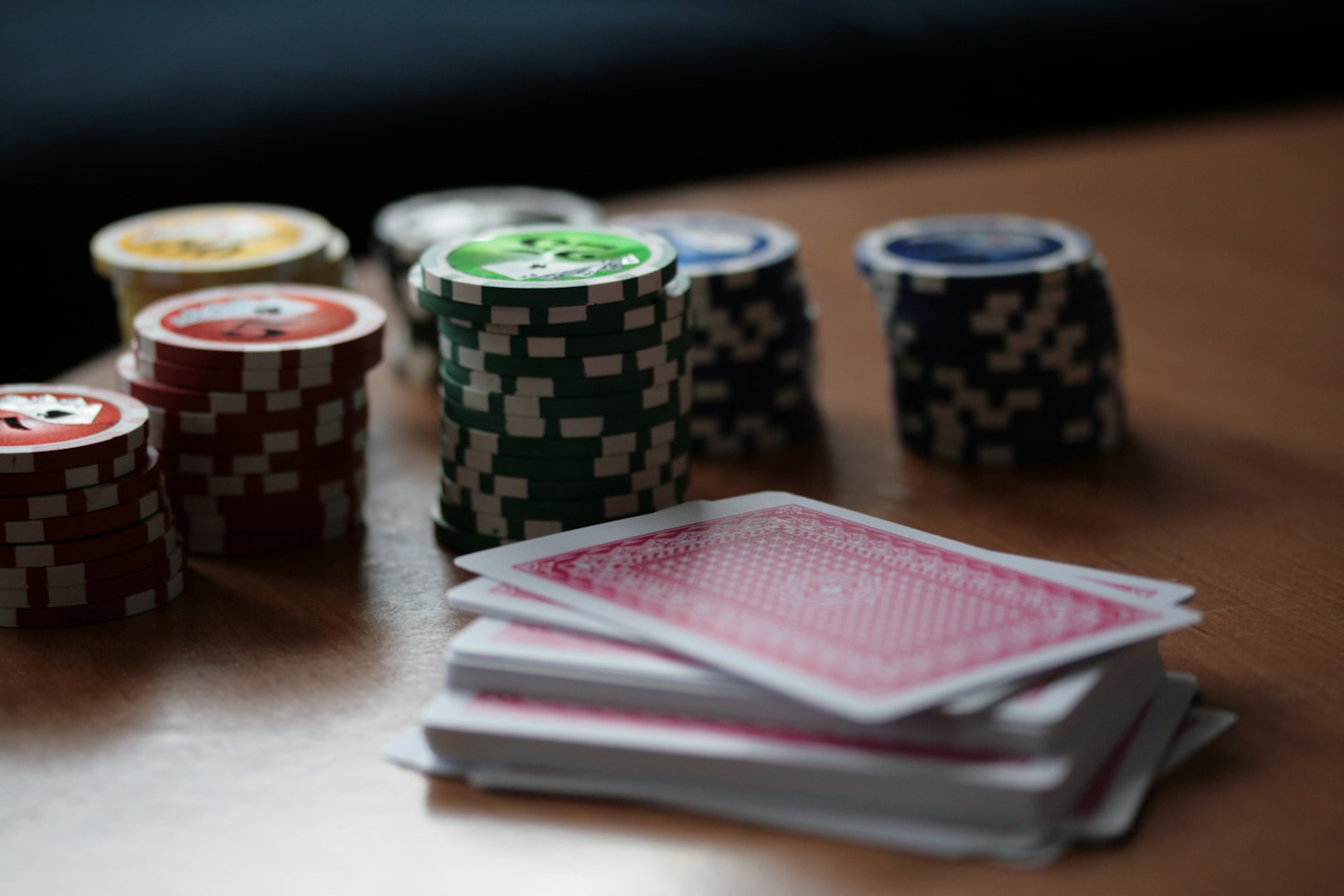
Ultimately, the interplay between luck, the house edge, and game probabilities creates a dynamic environment for gamblers. Some games are crafted purely for entertainment, showcasing high variance where luck reigns supreme, while others reward skill and strategic thinking. Understanding this balance is crucial for players as it helps them navigate the casino landscape more effectively, making informed choices that harmonize their luck with strategic gameplay for better outcomes.
The Psychological Aspect of Luck
The psychological dimensions of luck in gambling are profound and multifaceted. Many gamblers fall victim to what is known as the «gambler’s fallacy,» where they mistakenly believe that past results can influence future outcomes. For instance, a player might assume that after a series of losses, a win is statistically overdue—this faulty reasoning can compel them to make irrational betting decisions. Consequently, emotions and perceptions of luck can significantly shape a player’s behavior, occasionally leading to the pursuit of losses instead of adhering to a calculated strategy.
The relationship between luck and emotional states is another pivotal aspect. Players often experience feelings of euphoria during winning streaks and despair during losing periods. This emotional rollercoaster can cloud judgment and spur impulsive decisions, such as increasing bets in an effort to reverse unfortunate circumstances. Recognizing and managing these emotions is essential for maintaining control and making strategic choices within a casino setting, where the stakes can be incredibly high.
Moreover, the casino environment is meticulously crafted to amplify feelings of luck and excitement. From the dazzling lights to the enticing sounds of winning slot machines, casinos create an atmosphere that can profoundly influence players’ perceptions. This sensory overload can skew how players assess their chances of winning, leading them to attribute success to luck rather than comprehending the underlying mechanics of the games. Therefore, acknowledging the psychological factors associated with luck can help players approach gambling with a more rational and informed mindset.
The Role of Experience and Skill
While luck undeniably plays a role in casino outcomes, experience and skill offer players advantages that sheer luck cannot provide. In games such as poker and blackjack, a deep understanding of strategy, player psychology, and probability can significantly enhance one’s chances of winning. Skilled players are adept at knowing when to bet, fold, or take calculated risks, resulting in more consistent success compared to those who rely exclusively on luck. Conversely, novices may find themselves in a precarious position, heavily depending on luck without the foundational knowledge necessary for effective gameplay.

Additionally, experienced players cultivate their «luck» through practice and exposure to diverse scenarios encountered at the table. They develop the ability to read opponents, manage their bankroll wisely, and adapt to shifting dynamics throughout the game. This adaptability is crucial, as casino environments can evolve rapidly, and the capacity to adjust one’s strategy can often lead to better results than mere reliance on luck. Thus, experience and skill are essential components that complement luck in the pursuit of gambling success.
In summary, while luck is an undeniable factor in the world of gambling, it is not the solitary determinant of success. Experience and skill significantly enhance a player’s performance over time. By integrating informed strategies with the unpredictable nature of luck, players can establish a balanced approach to gambling that maximizes their winning potential while minimizing losses, ultimately leading to a more rewarding experience.
Your Journey at Our Casino Resource
At our casino resource, we recognize the intricate dynamics of gambling and the interplay between luck, strategy, and experience. Our mission is to provide players with comprehensive insights into various casino games, equipping you with the knowledge needed to understand the significance of odds, house edges, and effective betting strategies. We aim to empower gamblers by furnishing them with the tools necessary to navigate the casino landscape with confidence and skill.
We emphasize the importance of informed decision-making, mental resilience, and a thorough understanding of the psychological dimensions of gaming. By addressing the multifaceted nature of luck and its impact on gambling outcomes, we strive to foster a holistic approach to gaming. Whether you are a newcomer eager to learn the basics or an experienced player looking to refine your skills, we are here to support your journey toward becoming a more astute and strategic gambler.
Join us as we delve into the exhilarating world of casinos, enhancing your gaming experience and empowering you to make informed choices that extend beyond luck. Together, we can transform your passion for gambling into a more fulfilling and enjoyable endeavor, ensuring that your time in the casino is both exciting and rewarding.
Acerca del autor


