
The Nature of Chance in Gambling
Chance plays a pivotal role in gambling, shaping the outcomes of games and defining the experience for players. At its core, gambling is a battle between skill and luck, with many games relying heavily on random number generation and unpredictable events. For instance, in games like roulette or slots, each spin or roll is independent of the previous one, making it nearly impossible to predict the next outcome. This intrinsic randomness is what draws many players to casinos, and those seeking guidance often turn to nrl betting tips for strategies that enhance their chances. The unpredictability enhances the thrill, as players often feel that every moment holds the potential for a life-changing win.
The concept of chance is not just about random outcomes; it also influences players’ perceptions of the games. Gamblers often attribute their wins to skill, while losses are sometimes chalked up to bad luck. This cognitive bias highlights the psychological aspects of gambling, where players tend to believe that they can influence the outcome through strategies, even in games where luck is the overriding factor. Understanding the limitations of one’s influence can lead to a healthier approach to gambling, as players learn to separate their emotional responses from the actual odds of winning.
Moreover, the element of chance introduces a level of unpredictability that keeps players engaged and returning for more. The thrill of not knowing what might happen next is a significant driver of casino patronage. Whether it is the sound of spinning slots or the anticipation of a card reveal, the excitement generated by chance fosters a unique atmosphere within casinos, where anything can happen and fortunes can shift in an instant. This unpredictability not only enhances the overall experience but also creates a community of players sharing their hopes and dreams in pursuit of fortune, creating a vibrant and dynamic social environment.
The Psychological Impact of Luck
Luck is not only a statistical concept but also a psychological one that affects how players behave in gambling environments. For many, luck provides hope; it fuels dreams of winning big and escaping financial burdens. This hope can be a double-edged sword, creating both excitement and addiction. Players often feel a strong emotional connection to the idea of luck, leading them to revisit casinos frequently, sometimes against their better judgment. This psychological dependency illustrates just how powerful the notion of luck can be in influencing gambling habits. It can lead players into a cycle where they chase the feeling of luck, often leading to impulsive decisions.
Additionally, the perception of luck can lead to the ‘gambler’s fallacy’, where individuals believe that a certain outcome is due after a series of losses or wins. For example, if a player has lost several times in a row, they might irrationally believe that a win is imminent. This fallacy can result in poor decision-making and increased spending, underscoring the importance of understanding how luck can skew perceptions of probability and risk in gambling. The emotional rollercoaster induced by this belief can lead to reckless behavior, as players chase the elusive feeling of winning, often ignoring the reality of the odds stacked against them.
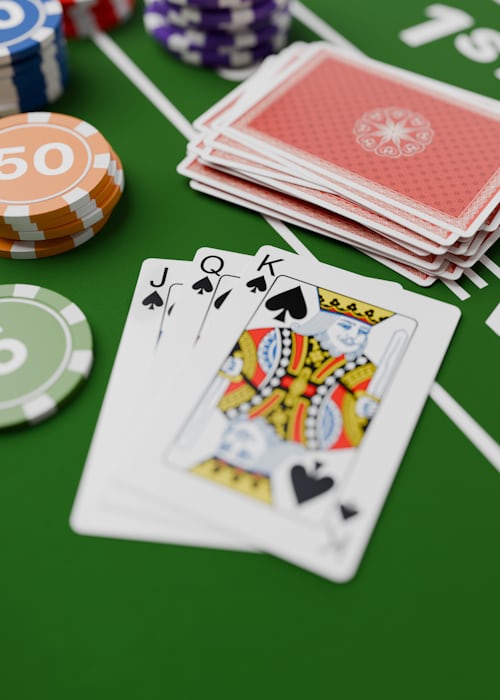
Furthermore, the social aspect of luck enhances its psychological impact. Players often share stories about their lucky streaks or near-misses, creating a communal narrative around luck that perpetuates the myth of skill over chance. These shared experiences can bond players together while boosting their belief in luck’s role, making it a central component not only of individual gambling experiences but also of the broader culture surrounding casinos. This communal experience can amplify the thrill of gambling, as players celebrate each other’s victories and console each other in losses, reinforcing the idea that luck plays a significant role in the gambling experience.
Game Mechanics and Luck
The mechanics behind various casino games often heavily rely on chance, which is a critical factor in determining outcomes. For example, slot machines use random number generators (RNGs) to produce results, ensuring each spin is entirely random. This randomness levels the playing field, where each player has an equal chance of winning on every spin, regardless of their level of experience or previous outcomes. Such mechanics exemplify how luck can influence the results, making it a fascinating aspect of casino gaming that appeals to a diverse range of players. The outcome of every game hinges on an intricate balance of chance and probability, creating a compelling narrative for each session.
Additionally, table games like blackjack and poker incorporate elements of strategy, where players can employ skills to enhance their win probability. However, even in these games, luck is an undeniable factor. The shuffle of a deck can change the dynamics of a game instantly. A player may skillfully play their hand, but the cards they receive can lead to a loss or a significant win purely based on chance. This duality of skill and luck makes these games all the more intriguing, as they appeal to both strategic thinkers and those who enjoy the unpredictability of luck. Players often find themselves debating the balance between skill and chance, adding to the complexity and allure of these games.
Moreover, casinos often design games to leverage the idea of luck in their favor. They may communicate the potential for big wins, but they also ensure that the odds are structured to benefit the house over time. This strategic use of chance helps casinos maintain profitability while attracting players who are hopeful that luck may be on their side. Understanding this dynamic is crucial for players as they navigate their gambling experiences, highlighting the perpetual dance between opportunity and chance. By recognizing the house edge and the role luck plays, players can make more informed decisions about their gambling strategies, ultimately enhancing their overall experience.
The Role of Luck in Player Experience
Luck significantly shapes the player experience in casinos, often serving as the primary driver of emotions during gameplay. Winning a jackpot evokes feelings of euphoria and excitement, while losses can lead to disappointment and frustration. These emotional highs and lows are integral to the gambling experience, cementing the idea that luck is not just a number but an experiential phenomenon that plays out in real-time. Players often remember their lucky moments vividly, while losses may fade in comparison, creating a skewed perception of their overall gambling experience. This phenomenon can lead to an emotional attachment to specific games or casinos, based on past experiences that highlight moments of luck.

Furthermore, the social environment of a casino enhances the role of luck in player experiences. People celebrate wins together, sharing in the excitement, which can amplify the thrill of the moment. Conversely, collective losses can lead to camaraderie among players as they empathize with each other’s misfortunes. These social dynamics play a crucial role in how players perceive their luck, transforming individual experiences into shared narratives that further deepen their connection to the games and the casino atmosphere. The interactions between players often create a sense of belonging, making the casino experience more than just about winning or losing, but about the relationships formed in pursuit of fortune.
In addition to immediate emotional responses, the long-term impacts of perceived luck can influence players’ behaviors and decisions. Players who experience a string of wins may become more daring with their bets, convinced that their luck will continue. Conversely, those who feel unlucky might withdraw from playing, believing their negative streak is unbreakable. Recognizing how luck affects both short-term emotions and long-term behaviors is essential for players aiming to engage responsibly with gambling activities. This awareness can help players navigate their experiences more thoughtfully, encouraging a balanced approach to gambling, where they can enjoy the thrill while remaining cautious of their perceptions and decisions.
This Website’s Insight on Luck and Gambling
This website aims to provide a comprehensive understanding of the complex relationship between luck and gambling. By exploring the multifaceted nature of chance, player psychology, and game mechanics, we offer insights that can enhance the gambling experience while promoting responsible behavior. Our goal is to empower readers with knowledge, enabling them to navigate the thrilling world of casinos with a greater awareness of the role luck plays in their outcomes. We believe that informed players are more likely to enjoy their experiences while understanding the dynamics at play in their gaming choices.
Moreover, we strive to create a community of informed gamblers who can share their experiences and insights. Understanding that luck is a crucial component of gambling fosters healthy discussions around the topic, encouraging players to engage responsibly and enjoyably. As we delve into the intricacies of luck, we invite readers to reflect on their own experiences and interactions with chance in the casino setting. This exchange of knowledge can lead to a richer understanding of the gambling landscape and its inherent risks and rewards, ultimately fostering a safer gambling environment.
Ultimately, this website serves as a resource for those looking to deepen their understanding of gambling, luck, and the emotional experiences tied into it. By fostering awareness and knowledge, we hope to inspire a more informed approach to gambling, where luck is appreciated while recognizing its limitations within this thrilling yet unpredictable universe. Our content is designed to help both novices and seasoned players navigate their journeys in the world of gambling, ensuring that everyone can find enjoyment while remaining aware of the role chance plays in their experiences. We encourage readers to use this information to engage with gambling thoughtfully, making informed decisions that enhance their enjoyment and understanding of the games they play.
Acerca del autor


